
12 Artists to Watch in 2026
Every year, I spend time looking—really looking—at the work being made right now. Not just what's trending or what's selling, but what's pushing something forward. What's asking questions I didn't know I had. What makes me stop scrolling and actually feel something.
These are the mid-career/emerging artists I'll be keeping an eye on this year. The ones making work that matters, that asks something of us, that refuses to be ignored. Keep an eye on them. I have a feeling 2026 is going to be their year.
-Carrie
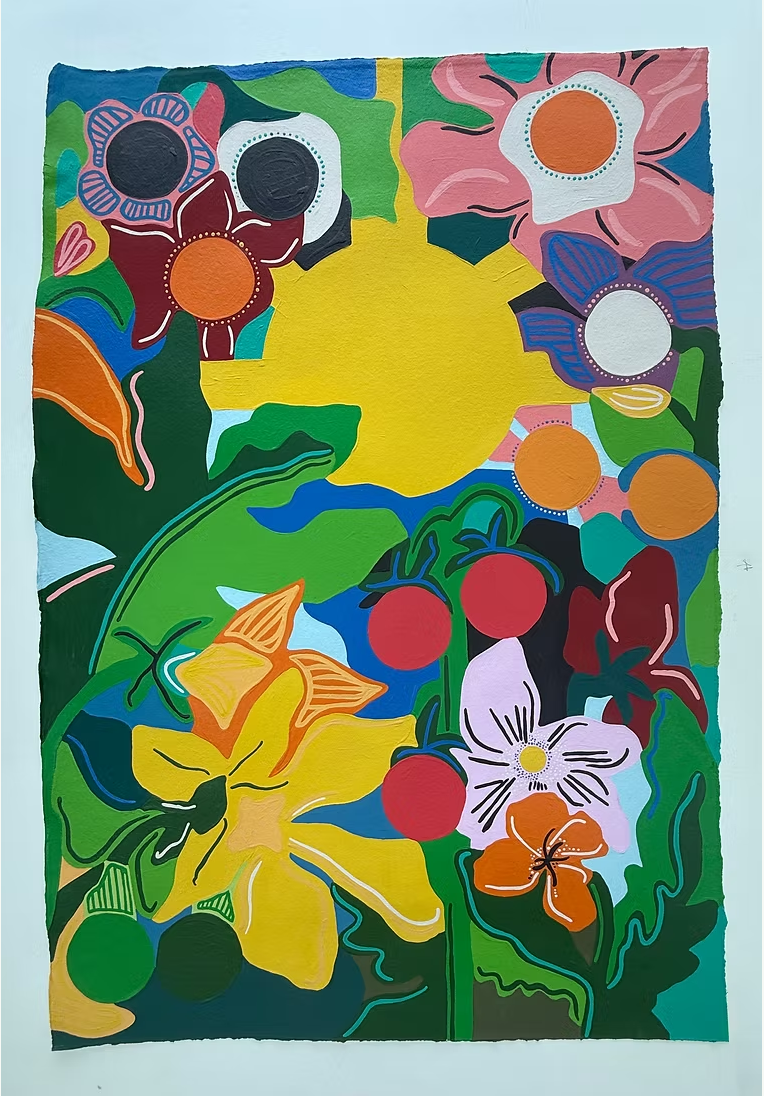
Celia Martine Picking
Vibrant large-scale botanical works on paper using emulsions. Her art draws inspiration from retro floral textiles, vintage advertising and mid-century aesthetic, alongside the world around her.
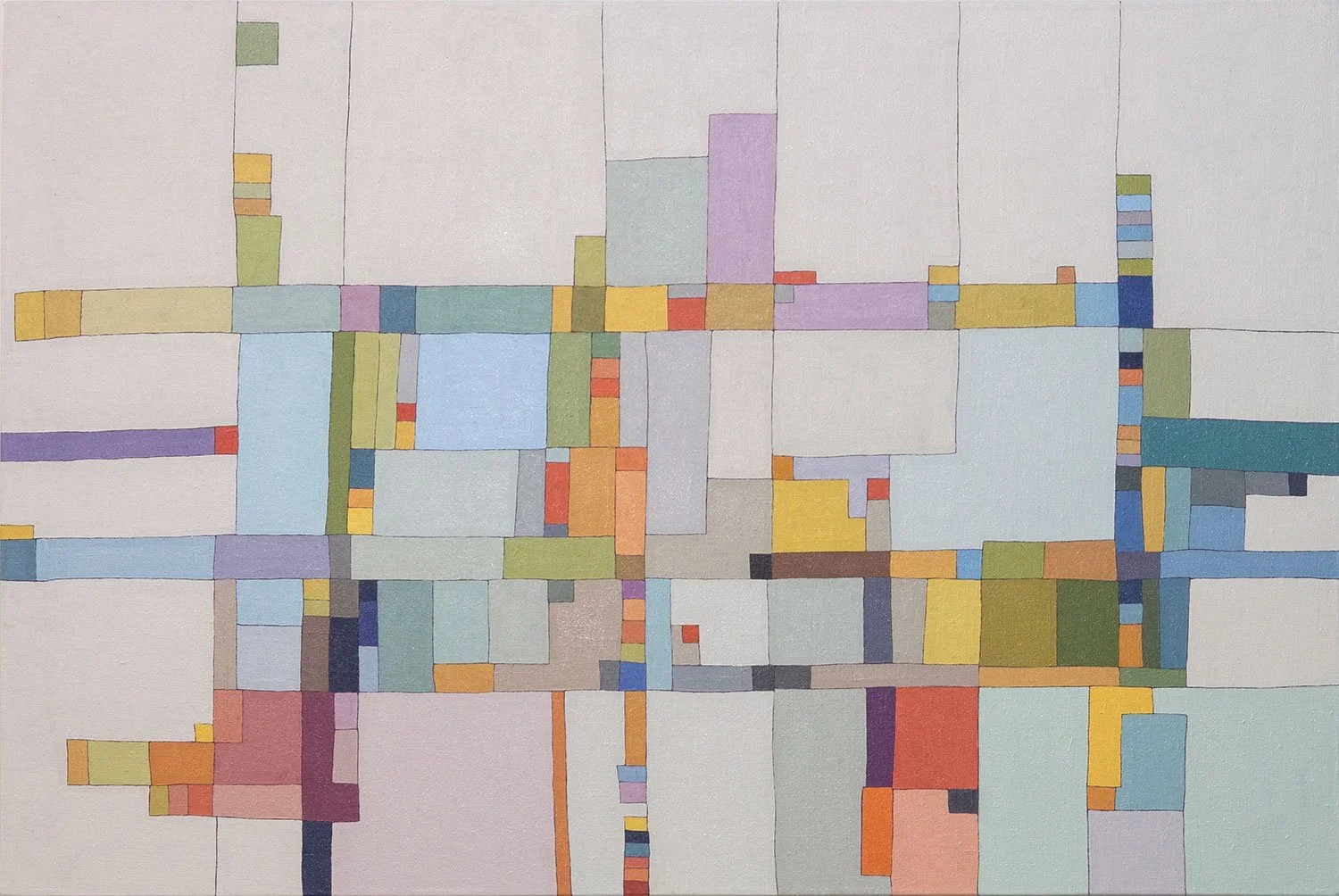
Laurie Frick
Vivid, geometric compositions that imagine digital data as tactile, hand-built works. Frick uses personal data to examine what we can know about ourselves and experiments with how we will consume the mass of data increasingly captured about us.
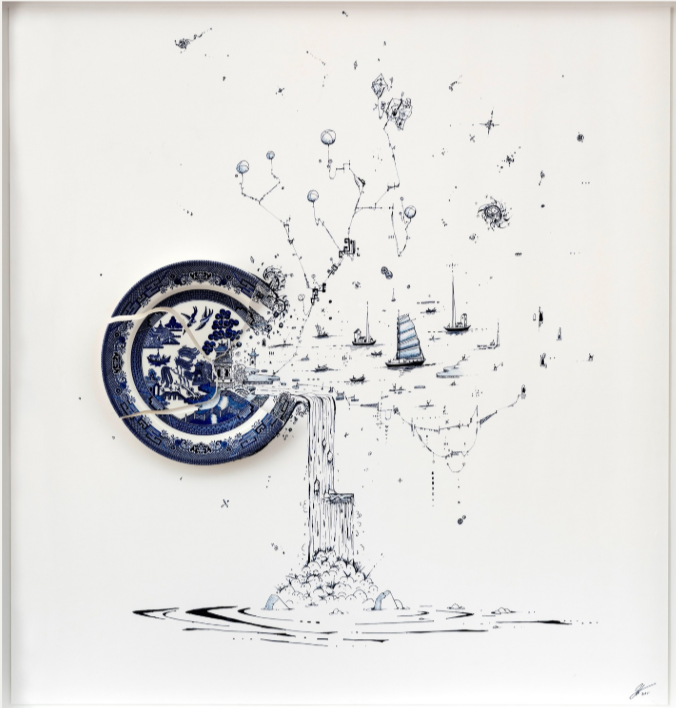
Rob Strati
The negative space of loss is transformed into creative possibility in porcelain. Each line, each extension, is a meditation on repair, on the unexpected beauty that follows destruction.
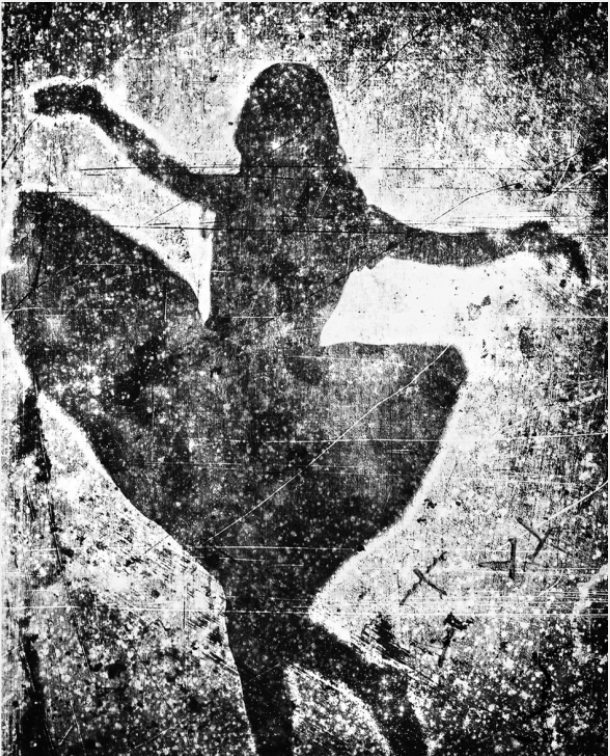
Winky Lewis
In these highly composed works, she layers digital silhouettes of children with relics from the past—lead toys from 1941, images from space (Hubble Telescope), fragments of handmade marks, and visual echoes from her own childhood. The resulting images feel at once timeless and deeply personal. They sit between innocence and experience, hope and loss.
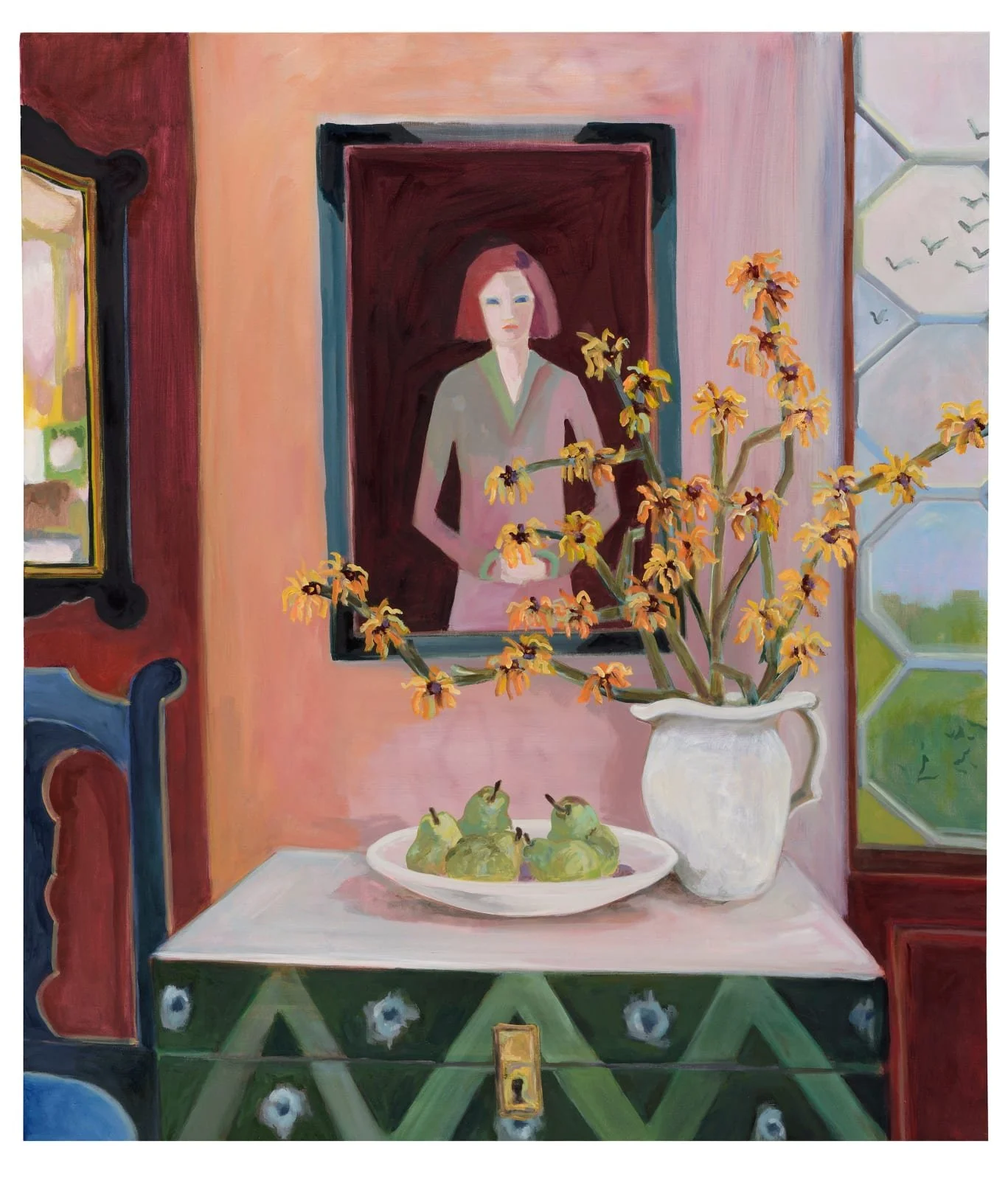
Lottie Cole
Lottie Cole’s paintings invite viewers into meticulously constructed interiors that, at first glance, feel warm, inviting, even cozy. But beneath their polished surfaces lies a complex exploration of the veneer of domesticity, class, and the intellectual constructs we associate with "home."
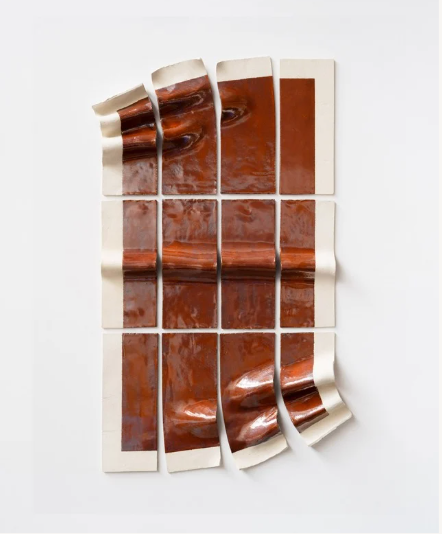
Ben Mazey
Though he interchanges mediums, Mazey typically uses slab-built ceramic with occasional experiments with lost wax casting bronze. He’s prone to duality (some pieces half gold, half raw, for instance), a lo-fi palette and layering glaze like a mask. Mostly, though, he subverts the domestic with sculptures of familiar household objects. He has them take on a mimetic quality, like out of a cartoon world—a joyful yet nihilistic fantasy.
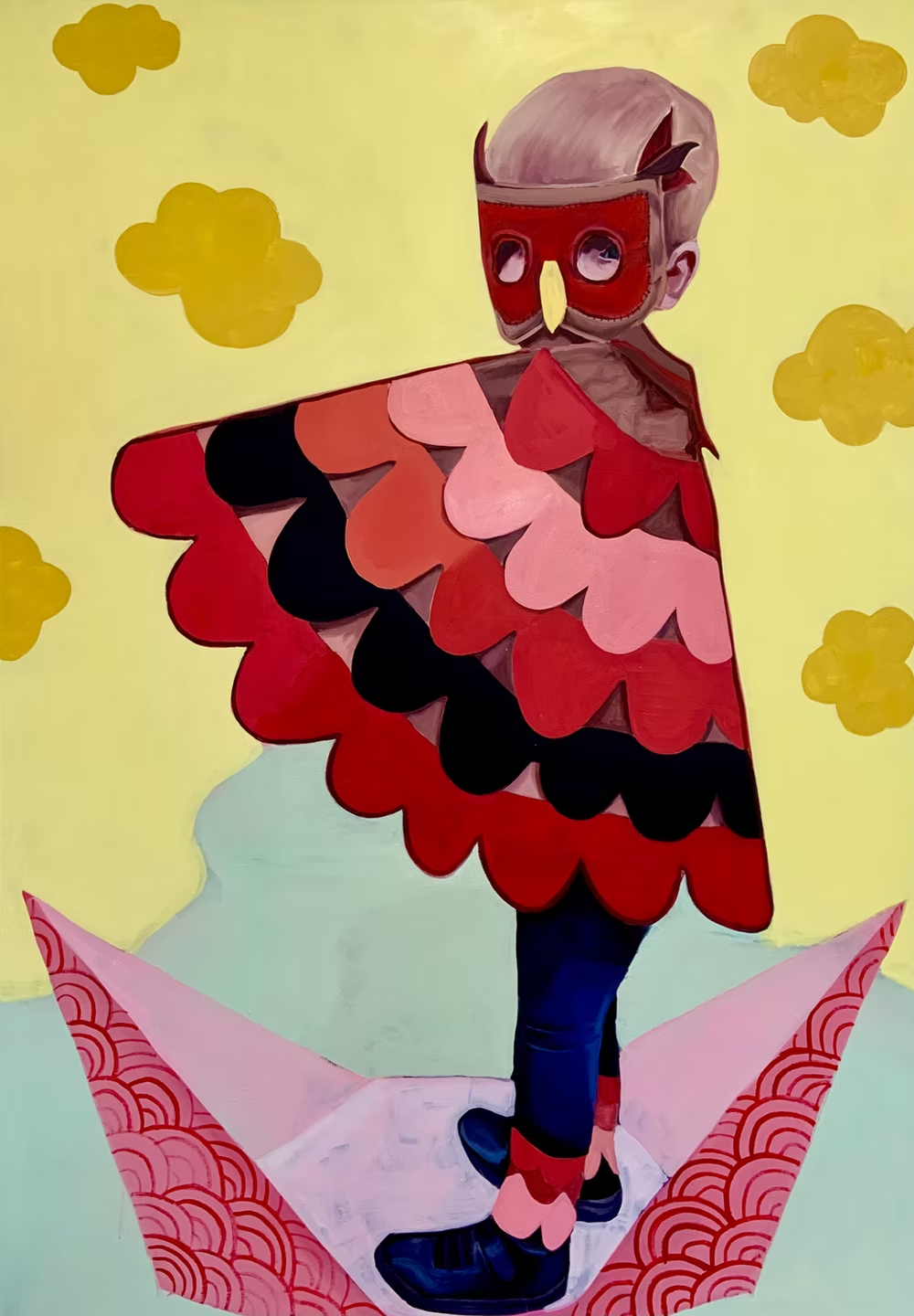
Zena Blackwell
Blackwell uses the figure not just as a subject, but as a stand-in for deeper questions of selfhood, loss, and the fluidity of memory. Her paintings feel distilled — at once quiet and emotional, surreal yet painfully real. Her work explores the mysteries of childhood, memory, and identity. Her portraits — often of children — inhabit a space between the familiar and the imaginary, capturing the tension, beauty, and vulnerability of family life.
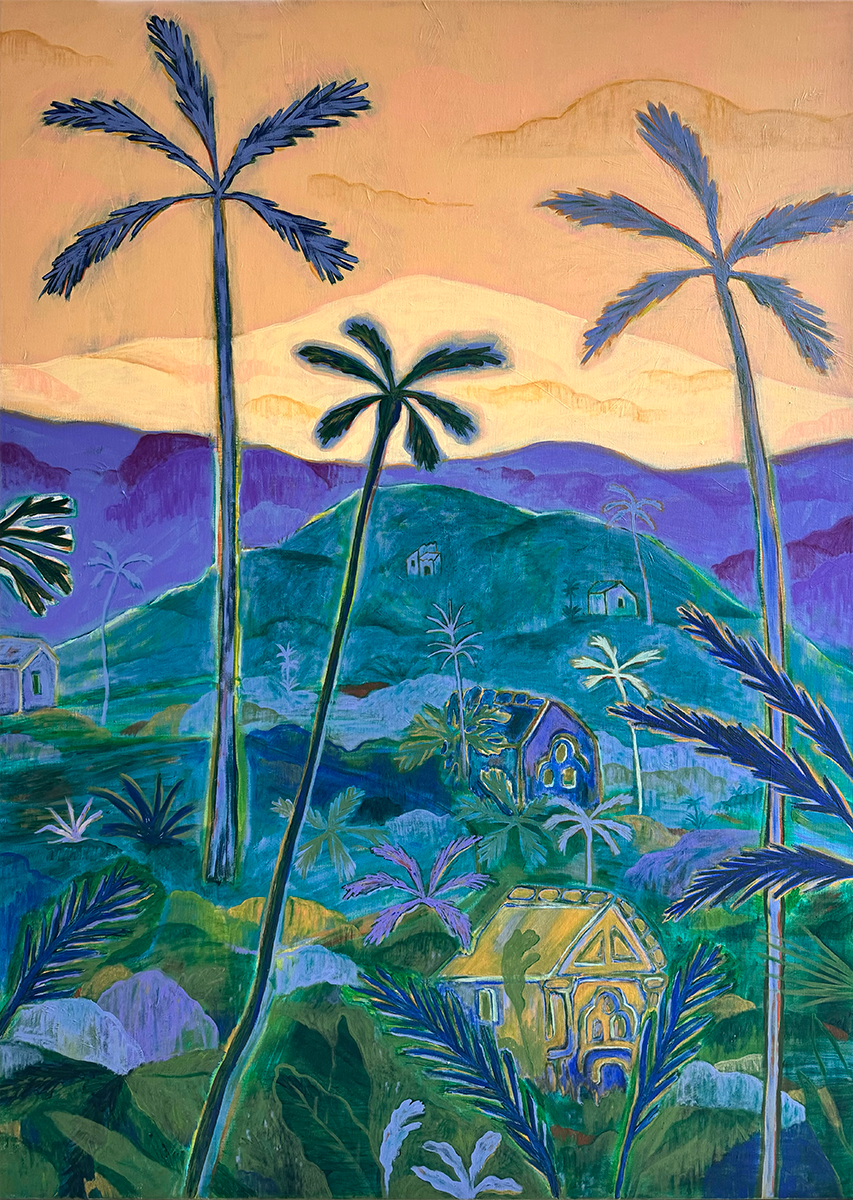
Jasper van den Ham
van den Ham paints the places our memory goes when it stops being literal and turns into feeling. Working between small, improvised works and large canvases, he builds landscapes that never quite exist on any map.
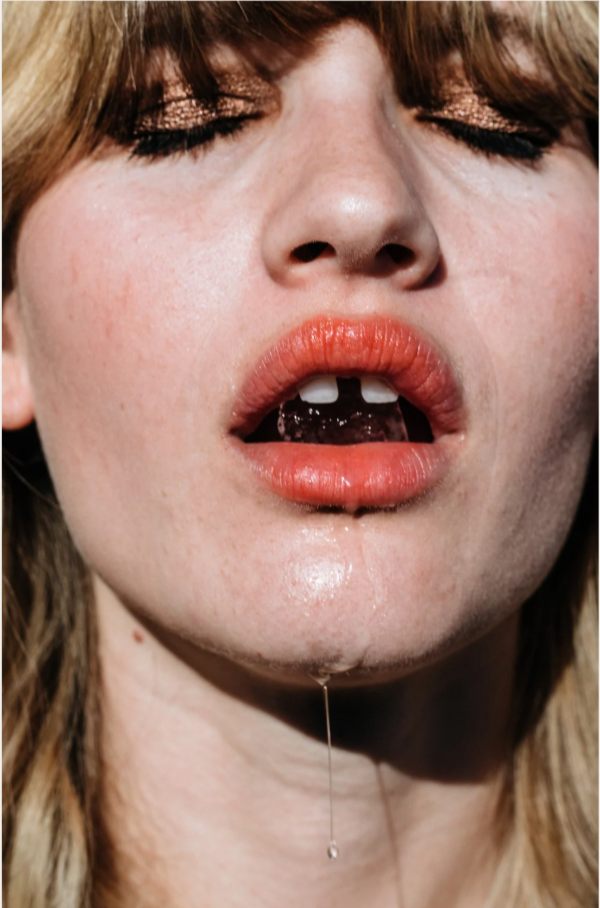
Blaire Hawes
Hawes’ portraits — whether of dancers, mothers, or models — are stripped of artifice. Skin, wrinkles, and blemishes intact. She photographs people as they are, and in doing so, leaves something of herself behind: a deep tenderness, a faith in what’s good and beautiful in us all.
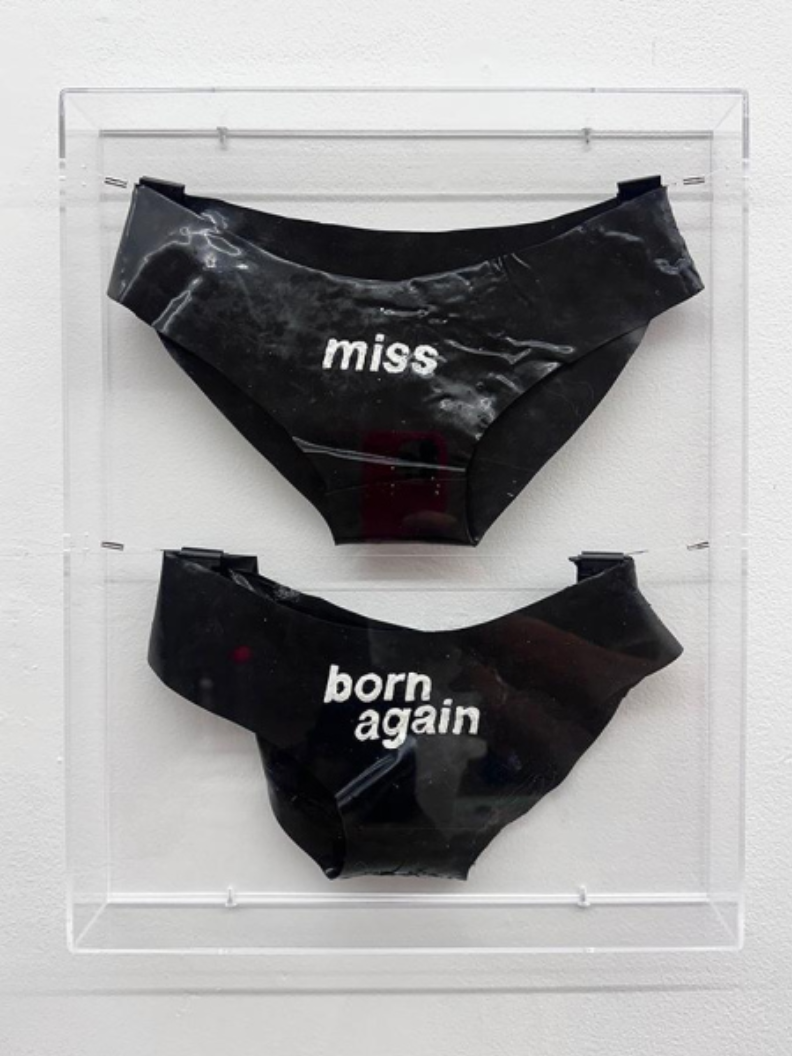
Ellen Jong
Jong situates the body—and specifically the Asian-American female body—as an active site of authorship within a long history of image-making. She began in photography, not as diaristic confession but as method.
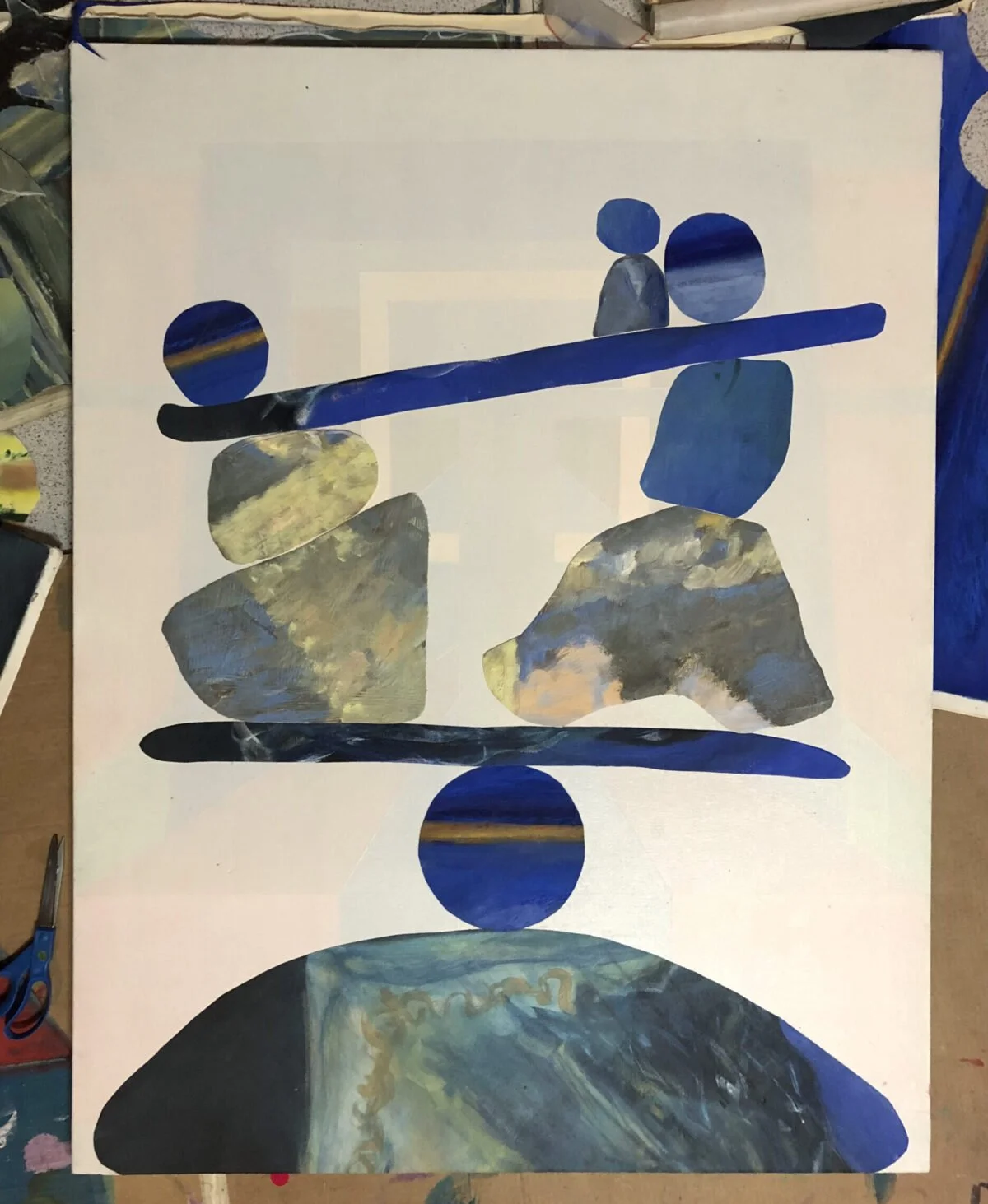
Charity Blansit
Blansit’s practice spans drawing, mixed media, installation, and performance. Working primarily with found, discarded, and repurposed materials, she responds to and challenges systems of overconsumption and waste. Her use of salvaged materials is not simply aesthetic but intentionally offering resistance, reverence, and renewal.
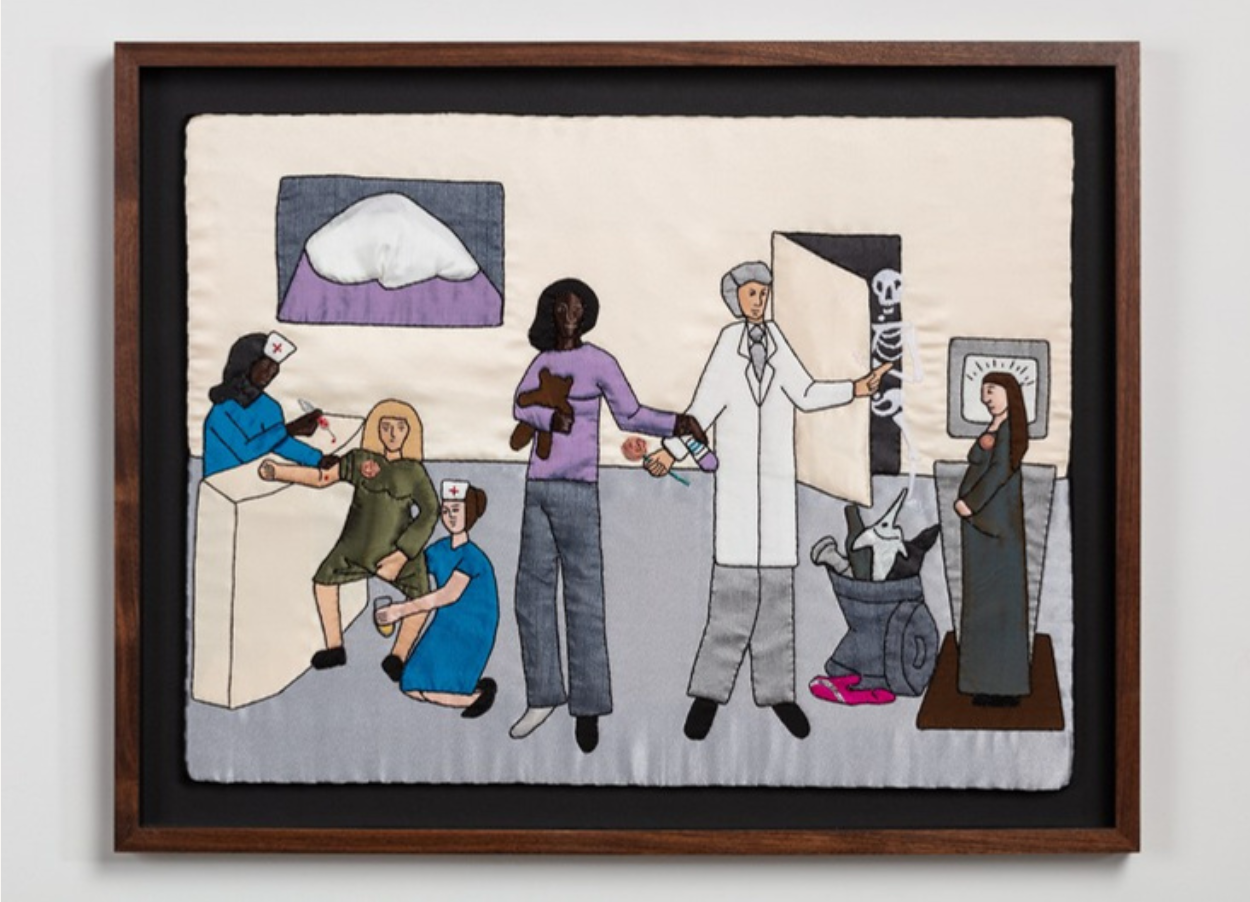
Nelson
Drawing from horror films, family mythologies, and the complexities of memory, Nelson’s work inhabits the space between personal history and collective trauma. By reclaiming matrilineal craft, she transforms the domestic into the political. Her works are sculptural paintings: layered, padded, stitched, and unapologetically feminine.